
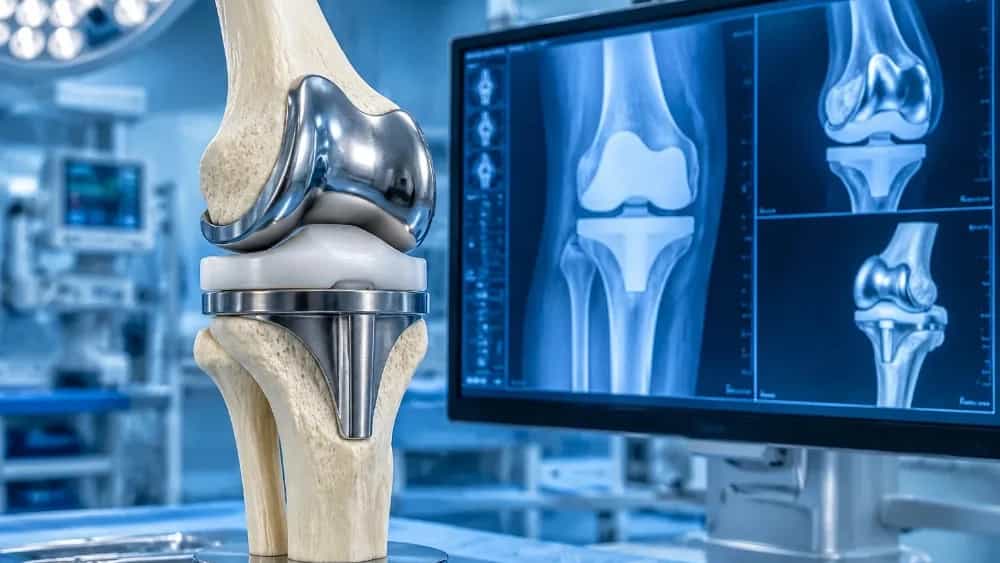
Surgery and replacement of the knee joint in Tenkabon is considered a definitive treatment solution to restore the range of motion and relieve the persistent pain of advanced arthritis, in which the destroyed joint surfaces are replaced with ultra-advanced biocompatible prostheses. The implementation of this operation by the orthopedic specialist Dr. Reza Shafiei prevents shortness, lameness and premature wear of the implant by carefully evaluating the mechanical balance of the lower limb. Through this specialized surgery, the residents of the west of Mazandaran receive standard treatment with quick rehabilitation without the need for long trips to the capital.
The experience of our clinical work on injured knees shows that delay in deciding to treat advanced osteoarthritis causes gradual destruction of collateral ligaments and peripheral muscles. In the humid climate of the north of the country, joint pains caused by changes in atmospheric pressure and cartilage wear are more intense, and relying only on painkillers accelerates the process of erosion of the underlying bone. When the natural cartilage is completely removed and the joint distance reaches zero, it is possible to restore the stability of the limb only by correcting the deviation and accurate placement of metal and polyethylene components.
Clinical evaluation and definitive indicators of the need for knee arthroplasty
Field examinations in the office of orthopedic specialist Dr. Reza Shafiei show that most of the clients come for surgical intervention when the knee deformity has changed to a strong bracket or cross shape. This angle change concentrates the mechanical load of the upper body on one of the condyles of the femur and causes rapid degeneration of the underlying bone tissue. The operation of replacing the knee joint becomes a priority when the patient has lost the ability to walk even 50 meters on a smooth path and night sleep is disturbed due to constant knee pain.
Radiographic and biomechanical analysis of femoral and tibial angle
In the pre-surgery phase, it is necessary to accurately measure the hip, knee and ankle angles through full-length radiology stereotypes. Failure to calculate the millimeter of this axis in patients of Tunkabon and neighboring cities may lead to asymmetric loading on the prosthesis. Unbalanced alignment causes the polythene of the interface to tilt and greatly reduces the useful life of the joint. Focusing on the osteotomy angles and aligning the soft tissues are critical steps that ensure the complete stability of the joint after surgery.
Matching geographical conditions and skeletal pattern of northern patients
The way of life, humid climate and physical activity style of the residents of Tunkabon region require special orthopedic measures. Years of walking on uneven garden land, sloping land and unbalanced consumption of micronutrients in old age make the bone tissue susceptible to hidden osteoporosis. In this situation, the use of implants with ultra-stable cemented grip and a design according to the morphology of the patients' bones will prevent the premature loosening of the joint in the coming years.
Technical steps of surgery and knee prosthesis operation protocol
The surgical process begins with accurate anterior access to the knee joint, preservation of blood vessels and delicate guidance of the quadriceps muscle. In the implemented method, the minimum amount of shavings is removed from the living bone tissue to preserve the dense subchondral bed for the prosthesis to sit. The stability of the bone graft is evaluated with advanced orthopedic glue, and the degree of tension of the lateral stabilizing ligaments is tested with accurate leveling tools before the permanent placement of the prosthesis.
Choosing the type of prosthesis and wear-resistant material
Rani component selection made of cobalt-chromium alloy together with cross-linked polyethylenes containing antioxidants inhibits interfacial wear by 95%. Based on the observations recorded in the long-term follow-up of clients, high-mobility prostheses increase the range of knee flexion up to 125-130 degrees, which enables daily activities and controlled sitting and rising. The use of high purity material eliminates the risk of rebound or inflammation caused by the release of microscopic particles.
Bleeding control and nerve fiber protection
Using local hemostatic drugs such as tranexamic acid during surgery and avoiding long-term tourniquets will reduce hematoma after surgery and bring side effects close to zero. Strict protection of the nerve branches behind the kneecap and sensors in front of the patella ensures the return of peripheral senses in the shortest possible time and significantly reduces the burning pain after surgical intervention.
Path of rehabilitation, physiotherapy and early recovery in Tenkaben
Discharge from the hospital and the beginning of physiotherapy is usually done in the first 24 hours after the surgery. The misconception of absolute bed rest is the biggest obstacle to the formation of knee range of motion. Early weight bearing under the supervision of the treatment team prevents the occurrence of deep venous thrombosis in the leg vessels and restores muscle blood circulation to a stable form.
Rehabilitation program for the first to third weeks
During the initial twenty-one days, the main focus is on isometric quadriceps muscle contractions, knee flexion to 90 degrees, and Achilles tendon stretching. The use of mobility aids such as a walker is only for temporary balance and is gradually abandoned as neuromuscular control improves. During this time, the slight swelling of the tissues around the surgical incision is healed by keeping the leg elevated and specialized cold compresses.
Prevention of infection and management of wounds in northern humidity
Caring for waterproof sterile dressings until the sutures are pulled requires special instructions, especially in humid weather. Humid environment requires periodic review of respiratory dressings and prevention of excessive sweating of the surgical site to prevent the risk of bacterial colonization. The implementation of the prophylactic antibiotic regimen under the supervision of orthopedic specialist Dr. Reza Shafiei maintains the complete immunity of the position from hospital infections.
Distinction of specialized orthopedic treatment in Tonkabon region
Performance of this sensitive process in the city of Tonkabon provides the possibility of weekly visits, precise adjustment of the dosage of anticoagulation drugs and continuous access to the surgeon without spending heavy travel and accommodation costs in other cities. The direct correlation between the continuous monitoring of the patient's recovery process and the control of pain after surgery has been proven. Taking advantage of the highly specialized clinical capacity in the city itself, removes the stress caused by the transfer of elderly patients and multiplies the chances of recovery without complications.